
Reactive Arthritis After an Infection
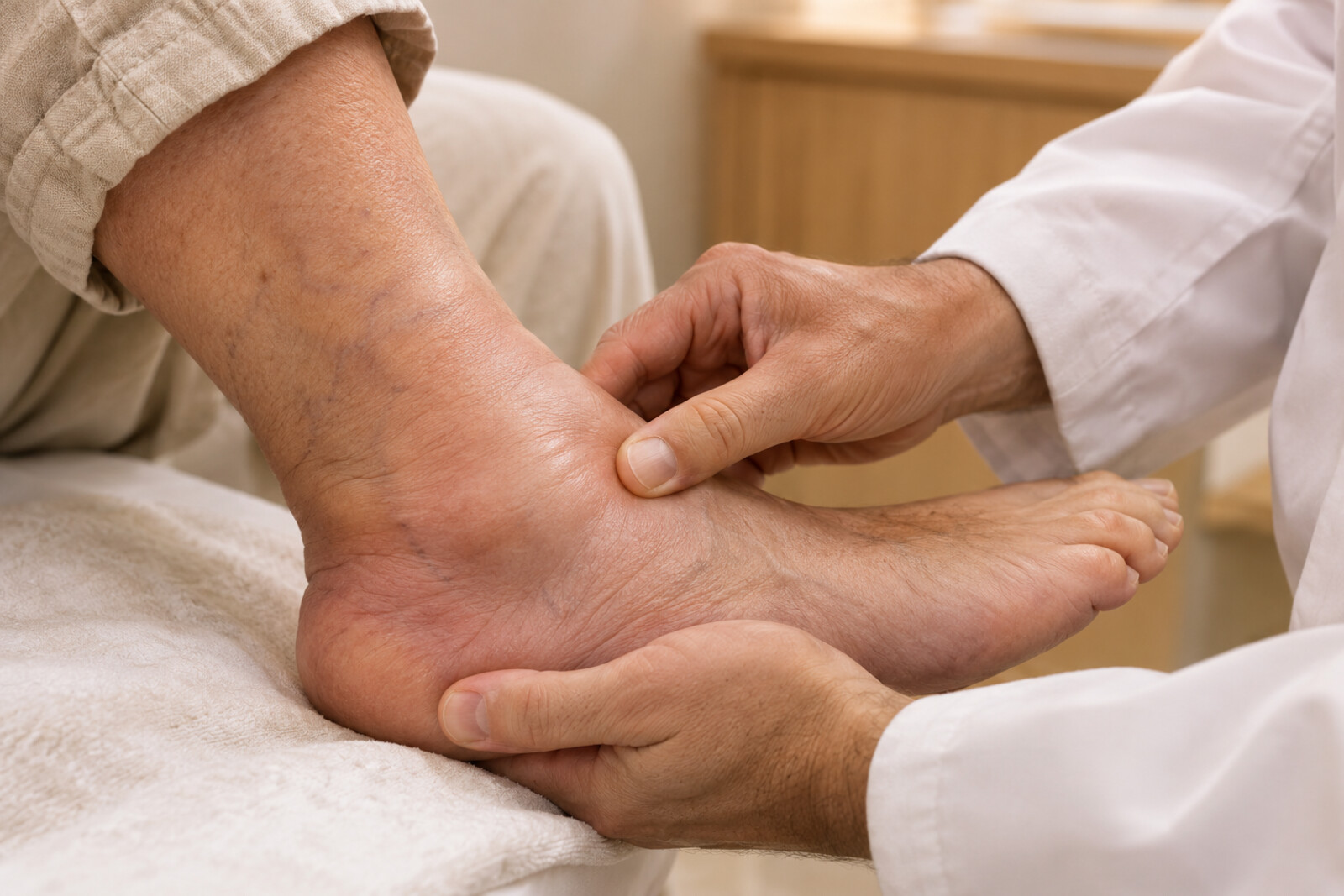
Reactive arthritis sits among the inflammatory conditions, and the question that places it in the sequence is what came before the joint pain.
This article defines the condition using Cleveland Clinic's words, points to related arthritis pages, and lists what a reader in Hawthorne can note before an appointment. It does not say who will or will not develop it.
What the source says
Cleveland Clinic describes reactive arthritis (Reiter's syndrome) as a rare, temporary form of inflammatory arthritis that's triggered by a bacterial infection. It causes pain and stiffness in your joints, especially in your lower body. It can also cause symptoms in other body tissues, like your eyes and skin, as well as whole-body symptoms like fatigue.
Where it sits among other arthritis pages
Reading it next to a related condition keeps the sequence clear. Cleveland Clinic's page on rheumatoid arthritis is one comparison, and a separate overview of rheumatoid arthritis symptoms and risk factors gives the same condition from a second source.
What to note before the first appointment
The source above names joints, eyes, skin and fatigue, so those are the places to look. Write down:
- Which joints hurt and when the pain began
- Any change in your eyes or skin
- Any recent infection you remember
- How tired you feel day to day
A page on ankylosing spondylitis is useful here because it describes a different inflammatory condition that also involves stiffness.
The question that tells you whether you are near this step
Did the joint pain follow an infection? If it did not, another page in this guide may fit better. If it did, take your notes to a clinician rather than relying on any article to decide the next step.
Reading further up the ladder
Read the general arthritis overview for the wider picture, then return to the inflammatory arthritis guide to compare this condition with the others.